Adams Advanced Graphene Ceramic Coating Review: Is It Worth It?
Adams advanced graphene ceramic coating review covering specs, pros and cons, owner-reported performance, and who should buy or skip this spray sealant.
 By Lauren Holland
Updated November 9, 2026
 By Lauren Holland
Updated November 2026
The Adam’s Polishes Advanced Graphene Ceramic Spray Coating is a sprayable graphene oxide sealant aimed at car owners who want a glossy, slick, longer-lasting finish without the time and skill demands of a traditional two-step ceramic coating. It is a good fit for owners who already wash regularly, want a durable layer of protection between washes, and would rather spend ten minutes spraying and wiping than an afternoon with a paint-correction machine. It is a weaker choice for anyone expecting the multi-year hardness of a professional-grade coating, for owners of heavily oxidized or unprepared paint, or for buyers who want a sealant that handles extreme chemical exposure without maintenance. Read on for the features, the trade-offs, and how it compares to two other Adam’s graphene options.
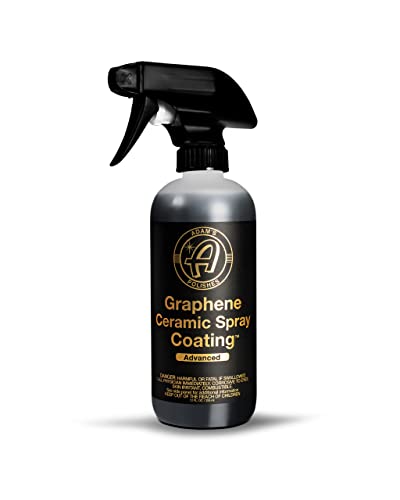
Adam's Polishes Advanced Graphene Ceramic Spray Coating – 18+ Months Sprayable Graphene Oxide Ceramic Coating for Cars, Boats, RV's & Motorcycle | Adds Extreme Gloss, Depth, Shine & Protection
Product Overview
Adam’s Polishes sells this product as a spray-on graphene ceramic coating designed for cars, boats, RVs and motorcycles. The listing name positions it as a sprayable graphene oxide formula that adds gloss, depth and shine while providing protection for roughly 18 months or more under typical care. Unlike a bottled liquid that must be applied with a foam applicator and buffed off in small sections, this formula is meant to be misted onto a clean, dry panel, then wiped and leveled with a microfiber towel.
The product sits within Adam’s broader graphene lineup. The company’s other graphene coatings are positioned as more durable, with the standard kit listed for longer protection and a UV-enhanced kit that uses a flashlight to help verify coverage. This spray version is the most approachable of the group because it skips much of the application process that makes traditional coatings intimidating to newcomers. That convenience comes with a shorter claimed lifespan and a different application method, which is the central trade-off to understand before buying.
Spray sealants of this type are generally used as maintenance layers. They are not a substitute for paint correction. If your paint has swirls, etching or deep scratches, a spray coating will make the finish look better temporarily, but it will lock in whatever defects are already present. For that reason, the best results come from washing thoroughly, decontaminating the surface and, where needed, polishing before application.
Key Features & Specifications
The table below lists only the specifications stated in the product name or widely associated with this model. Where a detail is not confirmed, it is left out rather than estimated.
| Feature | Details |
|---|---|
| Product type | Sprayable graphene oxide ceramic coating |
| Claimed protection life | 18+ months |
| Intended surfaces | Cars, boats, RVs and motorcycles |
| Application method | Spray onto a clean, dry surface, then wipe and level |
| Claimed benefits | Extreme gloss, depth, shine and protection |
| Format | Spray bottle |
| Manufacturer | Adam’s Polishes |
Manufacturers of spray graphene coatings typically specify that the surface should be clean and free of wax, sealant and polish residue before application, and that the panel should be cool to the touch and out of direct sun. Following those conditions matters more than any single feature on the list, because bonding quality depends on surface preparation.
Pros & Cons
Pros
- Spray-on application is far less involved than a liquid ceramic coating that requires careful sectioning and a long cure.
- Owners commonly report a deep, wet-looking gloss on dark paint, which is the main visual reason people buy spray graphene products.
- The claimed 18-month protection window is a practical maintenance interval for most drivers who wash every couple of weeks.
- Water beading and sheeting are generally strong immediately after application, which makes drying easier.
- Works across multiple vehicle types, so one bottle can serve a car, a motorcycle or a boat.
- Pairs well with regular maintenance washes, helping keep the surface slick and easier to clean.
Cons
- The claimed lifespan is shorter than Adam’s standard graphene kit, so long-term protection is more limited.
- Surface preparation is critical. Applying over old wax, polish residue or contamination reduces bonding and durability.
- Spray products can be harder to level evenly than liquid coatings, and streaking is a common complaint if too much product is used.
- It is not designed to correct paint defects. Swirls and scratches remain visible beneath the coating.
- Durability in harsh conditions, such as heavy road salt, frequent automatic car washes or constant bird droppings, is generally lower than professional-grade coatings.
- Performance on matte or textured finishes is not the product’s focus and should be tested on a small area first.
Performance Analysis
Because this review is research-based and draws on specifications and patterns in owner feedback rather than a controlled evaluation, the analysis below describes what buyers commonly report and what the product type typically delivers. It is not a lab measurement.
Gloss and Appearance
The most consistent theme in owner discussions is visual improvement. On dark, well-prepared paint, owners often describe a richer, wetter gloss that makes color look deeper. Lighter colors show a smaller difference, which is typical for most gloss-enhancing sealants. Results depend heavily on how clean the surface was before spraying. A panel that was decontaminated with a clay bar or iron remover tends to show a more even finish than one that was only rinsed.
Hydrophobicity and Ease of Washing
Graphene-based sprays are generally marketed for their water-repelling behavior. Owners often note that water sheets off the panel quickly after application, which reduces drying effort and can leave fewer water spots. This effect typically fades over weeks as the coating is exposed to washing and road contaminants. Regular maintenance with a pH-neutral car shampoo helps preserve it.
Durability
The 18-month claim is a manufacturer figure. In practice, durability tends to track with how the car is maintained. Vehicles kept in a garage, washed by hand with gentle products and rarely exposed to road salt generally hold up better than daily drivers in salt-heavy climates or cars run through tunnel washes. Owners in those harsher conditions frequently recommend re-applying the spray sooner than the label interval.
Application Experience
Reports suggest the spray method is forgiving compared to liquid ceramics, but not effortless. The most common mistake is over-spraying. Applying too much product leaves residue that is difficult to level and can look hazy. A light, even mist, worked into one panel at a time and leveled promptly with a clean, dry microfiber towel, tends to produce the best results. Working in the shade and avoiding hot panels helps the product flash and level properly.
Protection Limits
A spray sealant of this kind provides a sacrificial layer against light environmental fallout, mild UV exposure and routine washing wear. It does not make paint scratch-proof or chemically invulnerable. Owners should expect that deep scratches, acid etching and heavy contamination will still need to be addressed separately.
Who Should Buy This Product?
This product suits owners who want a noticeable gloss upgrade and a manageable maintenance routine. It is a sensible choice for daily drivers that are washed by hand every few weeks, for enthusiasts who want to add a sealant layer over existing wax or a previous coating, and for owners of boats, RVs or motorcycles who want one product that works across several surfaces. Beginners who find liquid ceramic coatings intimidating will likely find the spray format more approachable.
It is a poor fit for buyers who want the longest possible protection, owners of vehicles that see frequent road salt or automatic car washes, and anyone expecting the product to remove swirl marks or fix damaged paint. Buyers who need a coating for a commercial fleet or a vehicle with heavy use should consider a more durable professional-grade option. Owners who are unwilling to prepare the surface carefully may also be disappointed, since preparation is the biggest factor in results.
Buying Guide
Before choosing between a spray coating and a liquid kit, decide what you want the product to do. If your goal is a glossy, low-effort top layer that you can refresh every year or so, a spray is a reasonable match. If you want multi-year protection and are willing to invest more effort, a liquid graphene or ceramic kit is the better path.
- Check the paint condition. Coatings lock in the surface they are applied to. Correct major defects first.
- Plan your prep. Wash, decontaminate with an iron remover and clay, and strip any old wax or sealant with an appropriate cleaner.
- Consider your climate and wash routine. Salt-heavy regions and frequent automatic washes shorten the life of any sealant.
- Match the product to the surface. Confirm the coating is labeled for your vehicle type and paint finish.
- Test a small area. Apply to a hidden panel first to check for streaking or unwanted haze under your lighting.
Three well-known alternatives are worth comparing if you are unsure this is the right format:
-

Adam's Advanced Graphene Ceramic Coating (Standard Kit) – 10H Graphene Coating for Auto Detailing, 9+ Years of Car Protection & Patented UV Technology
View on Amazon
Adam’s Advanced Graphene Ceramic Coating (Standard Kit) is the liquid-format option in the same brand family. It targets longer protection, around nine years as listed, and suits buyers willing to follow a more involved application process. -

Adam's UV Graphene Ceramic Coating Kit Without UV Flashlight – 10H Ceramic Coating for Cars with UV Glow Technology, 7+ Years of Shine, Gloss & Protection for Car Boat RV Motorcycle
View on Amazon
Adam’s UV Graphene Ceramic Coating Kit Without UV Flashlight is a ten-hour liquid coating with UV glow technology for verifying coverage. It is a good pick for owners who want a more hands-on process and a clear way to check their work.
For readers who want to see how this spray compares with other formats, the site’s guides Adam Graphene Ceramic Coating Review: Is It Worth It? (2026) and Graphene Ceramic Spray Coating (2026): Which Should You Choose? lay out the trade-offs in more detail. If you are weighing the application process itself, Adam's Graphene Ceramic Spray Coating Advanced: How to Apply It (2026) walks through the steps, and Adam's Graphene Ceramic Spray Coating: 4 Best Picks Compared (2026) puts several options side by side.
FAQ
How long does Adam’s Advanced Graphene Ceramic Spray Coating last?
The listing claims 18 months or more of protection. Actual durability depends on washing habits, climate and how well the surface was prepared. Cars exposed to road salt or frequent automatic washes often need re-application sooner.
Do I need to polish my car before applying this spray?
Not always, but the surface must be clean and free of old wax, sealant and contamination. If paint has swirls or scratches, polishing first will give a better result, since the coating will preserve whatever is underneath.
Can I apply it over an existing wax or sealant?
Manufacturers of spray graphene coatings generally recommend removing old protection first. Layering over wax can reduce bonding and durability.
Is it safe for boats and motorcycles?
The product is labeled for cars, boats, RVs and motorcycles. Owners should confirm the coating suits the specific paint or gel coat and test a small hidden area first.
Why does the coating streak after I spray it?
Streaking usually results from applying too much product or leveling too slowly. Use a light, even mist, work one panel at a time, and buff with a clean, dry microfiber towel before the residue sets.
How often should I wash a car with this coating?
Regular maintenance washing with a pH-neutral car shampoo helps preserve the coating. Avoid harsh degreasers and frequent use of strong chemicals, which can wear down the layer faster.
Does it protect against scratches?
No. It adds slickness and some resistance to light marring, but it does not make paint scratch-proof. Deep scratches still require correction.
Is this a good first ceramic-style product for beginners?
It is generally one of the more approachable options in the graphene category because it avoids the sectioning and lengthy cure of liquid coatings. Beginners should still read the instructions and prepare the surface carefully.
Final Verdict
The Adam’s Polishes Advanced Graphene Ceramic Spray Coating is a practical choice for owners who want a noticeable gloss upgrade, easy water behavior and a manageable 18-month maintenance cycle without the workload of a liquid coating. It delivers the most value when paired with proper decontamination and a light, even application. It is not the right tool for long-term hardness, harsh-climate durability or paint correction. If those matter more to you, look at the liquid kits in the same family or a professional-grade coating. For most casual enthusiasts who want a glossy, low-effort top layer, this spray is worth considering.
View on AmazonAbout Lauren Holland
Lauren Holland is part of our editorial team and reviews and edits our car wash & detailing tools guides, checking product details against manufacturer specifications and owner feedback.
About the author
Lauren Holland writes reviews and buying guides for Carwash Distributors.