Adam’s Polishes Graphene Ceramic Coating Review: Is It Worth It?
Adam's Polishes graphene ceramic coating review covering features, pros and cons, application fit, and who should buy it or skip it before you apply.
 By Lauren Holland
Updated November 10, 2026
 By Lauren Holland
Updated November 2026
Adam’s Polishes Advanced Graphene Ceramic Coating suits DIY owners who want a spray-on, wipe-on coating with a long protection claim and a UV-focused formula, and who are willing to spend a few hours on prep and application. It is a weaker fit for people who want a professional-grade, multi-year coating applied to a heavily swirled finish, or for anyone who expects a coating to replace regular washing and waxing. Shoppers who value a straightforward maintenance routine and a brand with a large detailing community will likely find it appealing. Buyers who want the simplest possible application, or who need proven results on severely oxidized paint, may want to look at alternatives or a professional installation. Read on for a research-based breakdown of the specs, strengths, limitations, and how this model compares with its siblings.
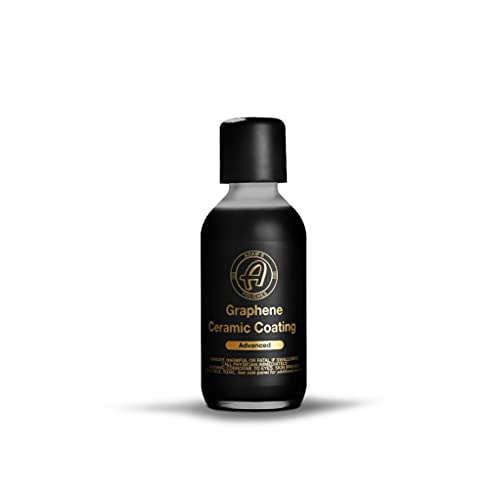
Adam's Polishes Advanced Graphene Ceramic Coating – 10H Graphene Coating for Auto Detailing, 9+ Years of Car Protection & Patented UV Technology
Product Overview
The Adam’s Polishes Advanced Graphene Ceramic Coating is a graphene-infused ceramic coating marketed for automotive paint protection. Its listing describes it as a 10H graphene coating for auto detailing, claims 9+ years of car protection, and highlights patented UV technology. Those are the core selling points the manufacturer puts forward, and they frame how the product should be judged.
Ceramic coatings in this category are generally sold as a liquid that bonds to clear coat, forming a hydrophobic, slick surface that sheds water and makes dirt easier to rinse away. Graphene is the additive most often promoted for added hardness and a more durable film. Adam’s positions this formula as an advanced, DIY-accessible option within its own lineup, sitting above the standard kit and alongside a UV-glow variant aimed at a slightly different buyer.
Because the product is sold for consumer use on personal vehicles, most buyers are detailing their own cars in a driveway or garage. That context matters. The coating’s real-world results depend far more on how well the surface is prepared than on the bottle’s claims, and the sections below address that directly.
Key Features & Specifications
The table below lists the specifications that the product name and listing state, along with general characteristics that apply to this type of coating. Where the listing does not specify an exact value, the cell says so rather than guessing.
| Feature | Detail |
|---|---|
| Product type | Graphene ceramic coating for automotive paint |
| Hardness claim | 10H (per the product name) |
| Protection claim | 9+ years (per the product name; real-world life depends on conditions and maintenance) |
| Technology | Patented UV technology (per the product name) |
| Intended use | Auto detailing, DIY application on cars |
| Application method | Applied by hand to a prepared, decontaminated surface; follow the label for flash and cure times |
| Surface requirement | Clean, dry, paint-corrected or well-prepped clear coat |
| Recommended cure | Refer to the manufacturer’s label for cure time before first wash and exposure to water |
Manufacturers specify that the surface should be fully decontaminated before application, typically with a clay bar or iron remover, and that the coating should be applied in thin layers. Thick application is a common cause of hazing and uneven coverage, so the label’s directions should be followed closely.
Pros & Cons
Pros
- Positions itself as a long-duration, high-hardness coating with a clear protection claim of 9+ years.
- Includes a UV technology claim, which speaks to a common concern for paint fading and oxidation on exposed panels.
- Designed for DIY application, so owners can do the job without a professional installer.
- Owners often report that water beading and dirt release improve noticeably after a properly prepped application.
- Fits into a broader Adam’s Polishes ecosystem, so buyers can pair it with matching prep and maintenance products.
Cons
- Results depend heavily on surface prep; skipping decontamination or paint correction tends to show up as poor bonding or haze.
- Application requires patience, clean conditions, and attention to flash times, which can frustrate first-time users.
- Long-life claims are manufacturer-stated and will vary with climate, washing habits, and exposure to harsh elements.
- Not a substitute for paint correction; swirls and etching under the coating will remain visible.
- Some owners find that removing high spots or uneven areas later requires more effort than with traditional wax.
Performance Analysis
Performance of any ceramic coating breaks into three areas: how well it bonds, how it looks, and how it holds up. Based on the specifications in the listing and the patterns that appear in owner discussions about this product category, the picture is reasonably clear.
Bonding and Surface Preparation
Bonding is where most results are won or lost. Manufacturers specify a clean, decontaminated surface, and owner feedback on coatings of this type consistently points to prep as the dividing line between a glossy, long-lasting finish and a hazy, short-lived one. A typical prep sequence includes a thorough wash, chemical decontamination, claying, and a panel wipe with an isopropyl-based or manufacturer-recommended prep spray to remove oils and polishing residue. Skipping any of these steps is the most common reason owners report disappointing outcomes.
Gloss, Hydrophobics and Ease of Cleaning
Owners generally describe improved gloss and strong water sheeting after application, along with easier rinsing of road grime. These are the most visible benefits and the ones most people notice first. Hydrophobic performance typically declines over time as the coating ages and collects contaminants, so regular maintenance washes with a pH-neutral soap and occasional maintenance sprays help keep the effect strong.
Durability and Protection
The 9+ year figure is a manufacturer claim and should be read as a best-case estimate under good conditions. Real-world life is shorter for cars parked outdoors, exposed to heavy road salt, or washed with harsh automatic wash chemicals. Owners who wash by hand with gentle products and keep the car garaged or covered tend to report the longest-lasting results. The UV claim is most relevant for cars that spend significant time in direct sun, where paint fading and oxidation are the main concerns.
Limitations
No ceramic coating adds scratch-proof protection or removes existing defects. Light marring may be harder to remove once the coating has cured, so washing technique matters. The coating also does not replace wax or sealant in every case, and some owners layer maintenance products on top; check with the manufacturer’s guidance before combining products.
Who Should Buy This Product?
This coating is a good match for owners who enjoy detailing and are comfortable following a multi-step process. It makes sense for a daily driver, weekend car, or enthusiast vehicle where the paint is in reasonable condition and the owner wants a durable, low-maintenance finish. Owners who keep their cars clean and garaged will generally get the most out of it.
It is a weaker choice for anyone who wants to skip prep work, who has a car with heavy swirls or failing clear coat, or who needs a coating rated for severe commercial exposure. Those buyers are usually better served by a professional installation with paint correction, or by a simpler product that tolerates less-than-perfect conditions. If you are unsure whether your paint is ready, a professional detailer can assess it before you commit.
Buying Guide
Before buying any ceramic coating, check four things: the condition of your paint, the amount of time you can set aside, the climate you live in, and whether you already own the prep products the coating requires. A coating applied over swirls will lock those swirls in, so correction is often the first step. Plan for a full day or more if you are working on a whole car, and make sure you have a clean, shaded, dust-free space.
When comparing options within the same family, look at the stated hardness, protection claim, and included features. The table below summarizes what to weigh when choosing between Adam’s siblings and other well-known coatings.
- Adam’s Advanced Graphene Ceramic Coating (Standard Kit): A close sibling with the same core claims, typically preferred by owners who want the established formula in a standard kit format.

Adam's Advanced Graphene Ceramic Coating (Standard Kit) – 10H Graphene Coating for Auto Detailing, 9+ Years of Car Protection & Patented UV Technology
- Adam’s Polishes UV Graphene Ceramic Coating: Shares the 10H graphene base but emphasizes UV glow technology and a longer 7+ year protection claim, which some owners find appealing for visual pop and UV-focused protection.

Adam's Polishes UV Graphene Ceramic Coating – 10H Ceramic Coating for Cars W/UV Glow Technology | 7+ Years of Protection | Apply After Car Wash Clay Bar Car Buffer Polisher | Boat RV Motorcycle
If you want guidance on how the different options compare in practice, see Adam's Graphene Ceramic Spray Coating: 4 Best Picks Compared (2026) and Graphene Ceramic Spray Coating (2026): Which Should You Choose?. For application steps that apply to graphene coatings in general, Adam's Graphene Ceramic Spray Coating Advanced: How to Apply It (2026) is a useful companion read. Owners who are weighing a professional job instead should review How Much Does Ceramic Coating a Car Cost? Cost of Ceramic Coating Car Explained.
FAQ
How long does Adam’s Polishes graphene ceramic coating last?
The listing claims 9+ years of protection. That figure is the manufacturer’s claim and assumes good conditions and proper maintenance. Cars that are garaged and hand-washed with gentle products tend to see longer life than cars parked outdoors and exposed to road salt or harsh wash chemicals.
Do I need to polish my car before applying this coating?
Manufacturers specify a clean, decontaminated surface before application. If your paint has swirls, oxidation, or etching, correction is strongly recommended, because the coating will lock those defects in place.
Can a beginner apply this product?
A careful beginner can apply it, but the process is detail-sensitive. Following the label’s flash times, using thin coats, and working in a clean, shaded area are the main factors that determine results. Practicing on a small panel first is a sensible approach.
How often should I maintain the coating?
Maintenance washes with a pH-neutral car soap every couple of weeks are a common approach. Owners often add a maintenance spray periodically to keep hydrophobic performance strong. Avoid harsh cleaners and abrasive washing tools that can wear the coating.
What is the difference between this and the standard kit?
The standard kit shares the core graphene formula and protection claims. Buyers should compare the included items and the labeling to decide which configuration fits their needs. The UV variant uses a different claim set, with a 7+ year protection figure and an emphasis on UV glow.
Can I apply it in cold or humid weather?
Most coating labels recommend application within a specific temperature and humidity window. Check the manufacturer’s directions for your product, and avoid applying in direct sun, on a hot panel, or in conditions where moisture could interfere with curing.
Is this a replacement for wax or sealant?
Ceramic coatings are a different category from traditional wax. Some owners use a maintenance product on top of the coating, while others use the coating alone. Follow the manufacturer’s guidance on compatibility before layering products.
Should I hire a professional instead?
If your paint is heavily damaged, or if you want a warranty-backed installation, a professional detailer may be the better choice. Consult a qualified professional before making a decision on expensive or irreversible paint work.
Final Verdict
Adam’s Polishes Advanced Graphene Ceramic Coating is a reasonable pick for DIY owners who will invest the time in prep and careful application. Its strengths are the strong hardness and protection claims, the UV technology angle, and the simplicity of a hand-applied process within a well-known detailing brand. Its limitations are the usual ones for this category: results hinge on surface preparation, the long-life claim is best read as a manufacturer estimate, and no coating corrects existing paint defects. Buyers who accept those tradeoffs and want a durable, low-maintenance finish will likely be satisfied. Those seeking a fully hands-off solution or a severely damaged paint fix should look elsewhere.
Ready to compare options? View on Amazon
Related reading
- Adams Advanced Graphene Ceramic Coating Review: Is It Worth It?
- Adam Graphene Ceramic Spray Coating: 4 Best Picks Compared (2026)
About Lauren Holland
Lauren Holland is part of our editorial team and reviews and edits our car wash & detailing tools guides, checking product details against manufacturer specifications and owner feedback.
About the author
Lauren Holland writes reviews and buying guides for Carwash Distributors.