Car Wax and Polish Difference (2026): Which Should You Choose?
Learn the car wax and polish difference, how each affects paint, durability and effort, and which one fits your detailing goals in 2026.
 By Miles Sinclair
Updated November 9, 2026
 By Miles Sinclair
The car wax and polish difference comes down to purpose: polish corrects paint by removing a thin layer of clear coat to level swirls, scratches and oxidation, while wax sits on top of the paint to add gloss and a sacrificial layer of protection. If your paint looks dull, hazy or marked up, start with a polish. If your paint is already in decent shape and you want shine and water beading that lasts a few months, a wax is usually the better pick.
| Criteria | Car Polish | Car Wax |
|---|---|---|
| Main job | Corrects paint defects (swirls, light scratches, oxidation) | Protects and adds gloss |
| How it works | Abrasives cut a microscopic layer of paint to smooth the surface | Forms a protective film on top of the paint |
| Effect on paint thickness | Removes a small amount of clear coat each time | Adds a layer; no material removed |
| Typical durability | Permanent correction until new defects appear; no protection on its own | Commonly a few weeks to several months, depending on type |
| Skill and effort | Higher; requires a machine or careful hand work and test spots | Lower; can be applied by hand in a short session |
| Best starting condition | Dull, swirled, oxidized or lightly scratched paint | Clean paint that is already in good condition |
| Typical follow-up | Almost always followed by a wax, sealant or coating | Can be used alone or layered over a sealant |
What Each Product Actually Does to Your Paint
Polish is a corrective product. It contains fine abrasives (diminishing abrasives in many modern formulas) suspended in a liquid. When you work it into the paint with a pad, those abrasives cut away a very thin layer of the clear coat, which flattens the peaks of swirl marks and light scratches. The result is a smoother, more reflective surface. Heavier cutting compounds go further, but polish is the step meant for refinement.
Wax does not change the paint surface in a structural way. It is typically made from natural carnauba, synthetic polymers, or a blend. Once applied and buffed off, it fills microscopic valleys and leaves a thin, slick film. That film gives depth to the color, boosts gloss and causes water to bead and roll off. Because it sits on top, it wears away through washing, rain, UV exposure and road contaminants. It is meant to be renewed.
The short version for readers who want the car wax and polish difference in one line: polish changes the paint, wax covers the paint. You can polish without waxing, but you should almost always wax (or seal) after polishing, because polishing leaves the surface bare and more exposed.
Corrective Power: Polish Wins
When it comes to removing defects, polish is the clear winner. No wax can fill a deep swirl or erase a scratch that has caught your fingernail. A wax can make some light defects less visible by filling them and adding gloss, but that is a cosmetic trick that disappears after a few washes.
Polish works by leveling the surface, so the results are real and lasting until new marks appear. A typical sequence on a neglected daily driver might look like this:
- Wash the car thoroughly with a pH-neutral car wash soap and dry it with a microfiber towel.
- Decontaminate the paint with a clay bar or clay mitt to remove bonded particles.
- Test a small section (about 2 ft by 2 ft) with a light polish to confirm the result you want.
- Apply the polish with a dual-action polisher and a foam pad, working in small sections at a moderate speed.
- Wipe off the residue with a clean microfiber towel and inspect under good light.
Polishing is also more forgiving than heavier compounding, but it still involves removing paint. Owners who polish too aggressively or too often can thin the clear coat over time. For that reason, many detailers recommend using the least aggressive product and pad combination that delivers the result you need.
Protection and Durability: Wax Wins
Neither product is a long-term shield by itself, but wax is the only one of the two designed to protect. A polish will not stop UV rays, acid rain or bird droppings from reaching the paint. A wax adds a barrier, which is why it is the more practical choice for maintaining an already healthy finish.
Durability depends heavily on the wax type. Owners often report that traditional carnauba waxes look rich and warm but may last only a few weeks in regular use. Synthetic sealants and polymer-based products generally last longer, often a few months, and many people layer a carnauba over a sealant for depth plus endurance. Manufacturers’ stated durability ranges vary, and real-world results depend on climate, washing habits and how often the car is parked outside.
Polish has no meaningful protective durability. Once you polish, you should follow up with a wax, sealant or ceramic coating within the same session. Leaving corrected paint bare invites faster oxidation and new swirl marks from contaminated wash mitts.
Gloss and Appearance: Tie, With Different Strengths
Both products improve gloss, but in different ways. Polish boosts gloss by making the surface flatter and more reflective, so light reflects evenly rather than scattering off tiny imperfections. The shine it produces is sharp and clear, often described as a glassy look.
Wax adds a warmer, deeper look. Many enthusiasts prefer carnauba for the way it enhances color depth, especially on dark paints. Synthetic waxes and sealants tend to produce a slicker, more reflective finish with strong water beading. In terms of pure visual impact on a clean, healthy finish, a good wax can be more striking. On damaged paint, polish is the only product that makes a real visual difference.
If you are asking which one makes your car look better right now, the answer depends on the paint. A swirled black car will look dramatically better after polishing. A clean silver car that already looks decent may benefit most from a fresh coat of wax.
Ease of Use and Time Commitment: Wax Wins
Waxing is one of the simplest jobs in detailing. Apply a thin coat with a foam or microfiber applicator, let it haze according to the label (often a few minutes), then buff off with a clean microfiber towel. Doing one panel at a time keeps the job manageable. Most owners can wax a mid-size sedan by hand in an afternoon.
Polishing takes more time and practice. Working with a dual-action (DA) polisher is considerably easier than using a rotary, but you still need to learn pad selection, machine speed, pressure and when to stop. Expect longer sessions, especially if you are correcting several defects. Good lighting, such as a handheld LED inspection light, helps you see what you are fixing.
Beginners should practice on a hood or trunk lid, where mistakes are easier to live with, before moving to the rest of the car.
Cost of Ownership Over Time: Depends on Your Routine
Over time, the real cost of each product comes from how often you need to use it. Polish is a periodic job. You may only need it once or twice a year, or only when the paint starts to look tired. Wax is a recurring task if you want to keep protection up, typically every few months depending on the product. Because waxing is often needed more frequently than polishing, the routine maintenance burden usually falls on wax.
Many owners find that a sensible plan is to polish when needed (perhaps once a year on a daily driver), then maintain with a sealant or wax every few months. That approach gives correction when it counts and protection between sessions. Budget picks and premium options exist in both categories, so you can match the product to how seriously you take the finish.
Which Should You Choose?
- Choose polish if your paint has visible swirl marks, light scratches, haze or oxidation that washing does not remove.
- Choose polish if you are preparing a car for sale or a show and want the best possible surface before protecting it.
- Choose wax if your paint is clean and in good shape and you mainly want gloss and water beading.
- Choose wax if you are new to detailing and want a quick, low-risk way to improve the look and protection of your car.
- Choose wax if you wash often and want to refresh protection on a regular schedule.
- Use both if you want the full result: polish to correct, then wax or sealant to protect. This is the standard sequence for most paint restoration work.
Products that fit each role:
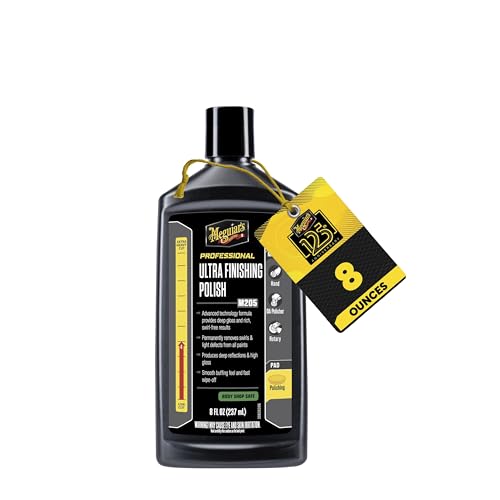
- Corrective polish: View on Amazon
- Carnauba paste wax: View on Amazon
- Synthetic paint sealant: View on Amazon
Before buying any product, check whether your paint needs correction first. Many people apply wax over swirls and wonder why the marks return after the first few washes. Our guide Top Soap Express Car Wash Picks: 7 Best Car Wash Soaps for Express Washes (2026) covers the wash-stage products that help keep paint clean enough for both polishing and waxing to work properly.
Preparation Matters for Both Products
Regardless of which product you choose, prep work determines the outcome. Dirt, road film and bonded contaminants will interfere with both polish and wax. A thorough wash with a quality soap, followed by a clay treatment, creates a clean slate. Wash towels and mitts should be microfiber and kept clean, since dragging grit across paint is the fastest way to add new swirls.
Clean applicators matter too. Use separate pads for polish and wax, and store them so they do not pick up debris. Wiping down the surface with an isopropyl alcohol and water solution before applying a sealant or coating removes polishing oils and gives better bonding.
Common Mistakes to Avoid
- Waxing over swirls and expecting permanent results. Wax will hide some marks briefly, but polish is needed to remove them.
- Polishing too aggressively. Start with the least aggressive pad and product, and only step up if needed.
- Skipping protection after polishing. Bare paint oxidizes and attracts contamination faster.
- Applying wax in direct sunlight or on hot panels, which causes it to dry too quickly and streak.
- Using the same towel for polish residue and final buffing. Switch to a fresh, clean microfiber for a streak-free finish.
FAQ
Can I use polish instead of wax?
Polish can improve gloss, but it does not provide lasting protection. If you polish without following up with wax, sealant or a coating, the paint will be exposed to UV rays, contaminants and water. Plan on protecting the paint after polishing.
Does polish remove wax?
Yes, most polishes strip existing wax and sealant as they work. That is one reason to apply protection after polishing. Some polish formulas include light protective ingredients, but they are not a replacement for a dedicated wax or sealant.
How often should I polish my car?
Frequency depends on the paint condition, the climate, how the car is stored and how it is washed. Many owners polish once a year or only when defects become noticeable. Over-polishing can thin the clear coat, so avoid doing it more often than needed.
Is carnauba wax better than synthetic wax?
It depends on your priorities. Carnauba is valued for its warm, deep glow on many paint colors. Synthetic products generally offer longer durability and strong water beading. Many detailers layer both to combine the look of carnauba with the endurance of a sealant.
Do I need a machine to polish my car?
A machine makes polishing more efficient and more consistent, especially a dual-action polisher, which is generally safer for beginners than a rotary. Hand polishing is possible for light work, such as a small area or a light haze, but it takes significantly more effort and produces less correction on heavier defects.
Conclusion
The car wax and polish difference is simple once you see the roles: polish corrects by removing a thin layer of paint to smooth out defects, and wax protects by adding a sacrificial film for gloss and water beading. If your paint needs help, polish first. Then follow up with a wax or sealant so the corrected finish stays protected. If your paint is already in good shape, a regular wax routine may be all you need. For readers who want to go further, our guide Top 8 Car Wash W Vacuum Units Compared for Home Detailing covers the interior side of home detailing, so the whole car gets the same attention.
Related reading
- What Vacuum for Car Interior Detailing Works Best? Key Features Explained
- Vacuum Leak Repair Cost Car: What Owners Typically Pay and Why
- Rent Car AC Vacuum Pump: A Step-by-Step Guide for DIY Recharging
About Miles Sinclair
Miles Sinclair is part of our editorial team and reviews and edits our car wash & detailing tools guides, checking product details against manufacturer specifications and owner feedback.
About the author
Miles Sinclair writes reviews and buying guides for Carwash Distributors.