Adams Graphene Ceramic Spray Coating Advanced Review: Is It Worth It?
Adams graphene ceramic spray coating advanced review: who should buy it, who should skip it, key specs, pros and cons, and how it compares to alternatives.
 By Lauren Holland
Updated November 11, 2026
 By Lauren Holland
Updated November 2026
The Adam’s Polishes Advanced Graphene Ceramic Spray Coating is a sprayable graphene oxide coating aimed at owners who want a durable, glossy layer of protection without the time and skill a traditional multi-step ceramic coating requires. It is marketed for cars, boats, RVs and motorcycles, and the listing claims a protection window of 18 months or more. It suits owners who wash regularly, want a noticeable gloss boost, and prefer to maintain their paint with a spray product between washes. It is a weaker fit for buyers who expect the hardness, chemical resistance or multi-year lifespan of a professional-grade ceramic coating, or who want a fully hands-off product with no prep work.
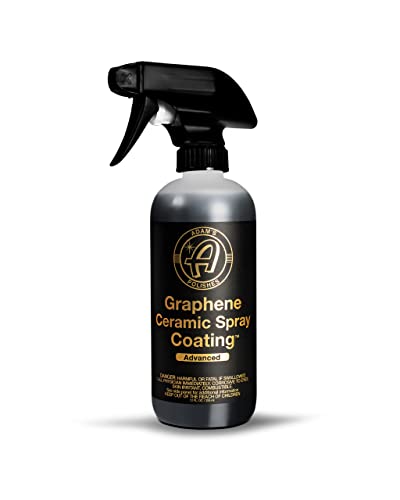
Adam's Polishes Advanced Graphene Ceramic Spray Coating – 18+ Months Sprayable Graphene Oxide Ceramic Coating for Cars, Boats, RV's & Motorcycle | Adds Extreme Gloss, Depth, Shine & Protection
Product Overview
The Adam’s Polishes Advanced Graphene Ceramic Spray Coating belongs to a growing group of spray-on ceramic products. Unlike a bottled liquid that must be hand-applied to a panel and buffed off, a spray coating is applied with a mist from a trigger bottle or sprayer and wiped down with a microfiber towel. The chemistry is built around graphene oxide and silica-based ceramic compounds, which the manufacturer positions as a way to add hydrophobic behavior, gloss and a sacrificial layer over clear coat.
The product is sold as a single bottle in the listing reviewed here. Adam’s markets it as a maintenance and protection product for finishes that have already been cleaned and, ideally, decontaminated and polished. Owners who want a complete system will find that the broader Adam’s line also includes related prep and maintenance items, which is why the alternative kit listed in this review is worth considering.
For background on how spray coatings compare to traditional options, see Ceramic Coating Is It Worth It? Spray vs Professional (2026) and Graphene Ceramic Spray Coating (2026): Which Should You Choose?.
Key Features & Specifications
The table below lists the details that are stated in the product name or that are consistently described by the manufacturer. Figures the listing does not state clearly have been left out rather than estimated.
| Feature | What the Listing Describes |
|---|---|
| Product type | Sprayable graphene oxide ceramic coating |
| Claimed protection window | 18+ months |
| Intended surfaces | Cars, boats, RVs and motorcycles |
| Claimed benefits | Extreme gloss, depth, shine and protection |
| Application method | Spray and wipe, followed by a buff |
| Surface requirement | Clean, decontaminated paint recommended before application |
Because the listing focuses on marketing claims rather than independent test data, owners should treat the 18-month figure as a manufacturer estimate that depends heavily on washing habits, weather exposure and how well the surface was prepared.
Pros & Cons
Pros
- Spray application is faster than a traditional liquid ceramic coating, which typically requires careful panel-by-panel work.
- Works across a range of vehicle types, from cars to motorcycles, which suits households with mixed vehicles.
- Owners commonly report a noticeable gloss and slickness boost on washed, polished paint.
- Maintenance is simple. A light spray and wipe between washes is the typical routine.
- Lower skill barrier than professional-grade coatings, making it approachable for first-time users.
Cons
- Protection is generally considered less durable than professional multi-year ceramic coatings.
- Results depend heavily on surface prep. Applying over contaminated or swirled paint reduces both gloss and bonding.
- It does not correct paint defects. Scratches and swirls remain visible under the coating.
- Spray products can leave high spots or streaks if too much is applied or if the towel is not clean.
- Performance claims are manufacturer-stated and not backed by independent published testing in the listing.
Performance Analysis
Performance for a product like this comes down to three things: how well it bonds to clean paint, how it handles regular washing, and how long the water-beading behavior lasts in real conditions. Based on the product description and general patterns reported by owners of spray ceramic coatings, the strongest results tend to appear when the surface is fully decontaminated with a clay bar or synthetic equivalent and lightly polished before application. Owners who skip that step often report that the coating looks good for a short period but the slickness fades faster than advertised.
Gloss is the most visible benefit. On dark paint, the enhancement is usually easier to see than on lighter colors, and the difference between a coated and uncoated panel is most obvious under direct sun or a bright garage light. Hydrophobic performance, meaning water beading and sheeting, is typically strongest in the first few weeks and then declines gradually with each wash. Owners generally report that a maintenance spray applied every few washes helps keep the effect closer to its original level.
Durability is where expectations matter most. A spray coating of this type is best understood as a protective layer that sits above clear coat and degrades through washing, UV exposure and contaminants. Vehicles parked outdoors in harsh climates, or those exposed to road salt, will usually see the effect fade sooner than garaged vehicles. The 18-month figure should be read as a best-case estimate under moderate conditions. For a deeper look at how coating lifespan compares across product types, see Waxing vs Ceramic Coating (2026): Which Is Better for Your Car?.
Ease of use is a clear strength. The spray-and-wipe process is forgiving compared to liquid coatings, which require careful leveling and can leave high spots if the cure window is missed. Still, the wipe-off step matters. Using a clean, dry microfiber towel and working one small section at a time reduces the chance of streaking. Owners who have used other spray coatings often recommend keeping a few plush towels on hand just for this purpose. A list of suitable towels is covered in Microfiber Towels for Ceramic Coating: 5 Best Picks Compared (2026).
Overall, the product appears best suited to maintenance and light-to-moderate protection. It is unlikely to replace a professional multi-year ceramic coating, but it can extend the time between full detailing sessions and keep a finish looking fresh between washes.
Who Should Buy This Product?
This product fits owners who want a visible gloss improvement, enjoy hands-on maintenance, and wash their vehicles often enough to keep a spray layer fresh. It is also a practical choice for people who own several vehicles, such as a car, a motorcycle and a boat, and want one consistent product across all of them.
Buyers who should skip it include those who expect multi-year durability without reapplication, owners of vehicles that sit outdoors in harsh conditions with little washing, and anyone who plans to apply it over heavily oxidized or swirled paint without a proper correction first. People looking for paint correction, rather than protection, will need a separate polish or compound.
Buying Guide
Before purchasing any spray ceramic coating, consider the following points.
- Check the surface you plan to coat. Fresh, clean, decontaminated paint gives the best bond. If your paint is badly oxidized or swirled, plan a polishing step first.
- Match the product to your vehicle use. Daily drivers in mild climates have different needs than trailered boats or outdoor-parked RVs.
- Look at the full kit. Some buyers prefer a bundle that includes spray, towels and prep items, while others want a single bottle. Compare contents carefully.
- Set realistic expectations for durability. Manufacturer protection windows assume ideal conditions. Plan on reapplying or topping up more often in harsh weather.
- Have the right towels ready. Soft, clean microfiber is essential for wipe-off and buffing.
Several other well-known products in the spray ceramic category are worth comparing before you decide. Owners often look at the following options:
- Turtle Wax Hybrid Solutions Ceramic Spray Coating is a widely available spray option with a simple application process, covered in detail in Turtle Wax Hybrid Solutions Ceramic Spray Coating Review (2026).
- Mothers CMX Ceramic Spray Coating is another spray-on option that many owners compare against graphene-based products, reviewed in Mothers CMX Ceramic Spray Coating Review: Is It Worth It?.
- Sonax Ceramic Spray Coating is a further spray option with a step-by-step application approach, explained in Sonax Ceramic Spray Coating: A Step-by-Step Guide to Application and Results.
The Adams kit listed as an alternative in this review is also worth comparing if you want a broader set of Adams-branded products. See Adam's Graphene Ceramic Spray Coating: 4 Best Picks Compared (2026) for more context on how the lineup fits together.
Alternative product:

Adam's Advanced Graphene Ceramic Spray Coating Kit – 18+ Months Sprayable Graphene Oxide Ceramic Coating for Cars, Boats, RV's & Motorcycle – Adds Extreme Gloss, Depth, Shine & Protection
FAQ
Does this spray coating need to be applied to clean paint?
Yes. Manufacturers generally recommend applying the coating to clean, decontaminated paint. Contaminants such as iron fallout, tar and road film can prevent proper bonding and reduce gloss and water-beading performance.
How often should I reapply the coating?
The listing claims protection for 18 months or more under suitable conditions. In practice, owners often top up with a maintenance spray every few washes to keep slickness and water beading strong. Harsh climates and outdoor parking usually shorten the interval.
Can I use this on a motorcycle or boat?
The product is marketed for cars, boats, RVs and motorcycles. Before applying it to painted surfaces on a motorcycle or boat, check that the surface is compatible and follow the manufacturer’s instructions for the material involved, especially on gelcoat or non-paint finishes.
Will this coating remove scratches or swirl marks?
No. A protective coating does not correct paint defects. Swirls and light scratches will remain visible under the coating. Paint correction requires a separate polish or compound.
Is a spray coating as durable as a professional ceramic coating?
Generally, no. Professional ceramic coatings are typically designed for multi-year protection and greater hardness. Spray coatings offer a faster, simpler process and a shorter protection window, which suits maintenance-level use.
Do I need special towels to apply it?
Clean, soft microfiber towels are recommended for applying and buffing off the coating. Dirty or abrasive towels can cause streaking or marring. Keep separate towels for coating work when possible.
Can I apply it in direct sunlight?
Working in shade or on a cool panel is generally advised for any spray coating. Heat can cause the product to flash off too quickly, making wipe-off harder and increasing the risk of streaks.
Final Verdict
The Adam’s Polishes Advanced Graphene Ceramic Spray Coating is a practical choice for owners who want a fast, low-effort way to add gloss and maintain water-beading protection on cars, motorcycles, boats and RVs. Its strengths are ease of use and a visible shine boost on properly prepared paint. Its limits are the ones common to spray products: protection is shorter than professional coatings, results depend on surface prep, and it does not correct paint defects. Owners who expect multi-year durability should look at professional options, while those who want a regular maintenance layer will likely find it a sensible fit. Check the current listing for the latest details before purchasing: View on Amazon.
About Lauren Holland
Lauren Holland is part of our editorial team and reviews and edits our car wash & detailing tools guides, checking product details against manufacturer specifications and owner feedback.
About the author
Lauren Holland writes reviews and buying guides for Carwash Distributors.