GYEON PPF EVO Ceramic Coating for Paint Protection Film Review (2026)
Is GYEON PPF EVO the right ceramic coating for paint protection film? See specs, pros, cons, and who should buy or skip it before you order.
 By Lauren Holland
Updated November 10, 2026
 By Lauren Holland
Updated November 2026
If you own a car with paint protection film and want a topcoat that adds gloss and water beading without interfering with the film’s self-healing, the GYEON PPF EVO High Gloss Ceramic Coating for Paint Protection Film is built for that job. It suits owners who already have PPF or vinyl wrap installed and want a hydrophobic layer that is formulated for film surfaces rather than bare clear coat. It is a poor fit for anyone with unprotected paint, since the product is designed around film and not as a standalone paint sealant. Buyers who want maximum hardness on bare paint, or who expect a multi-year coating for a fully unprotected car, should look at a dedicated car ceramic coating instead. Anyone unsure whether their film is compatible should check the film manufacturer’s care guidance first.
GYEON PPF EVO High Gloss Ceramic Coating for Paint Protection Film 50ml | Flexible ceramic coating for PPF and vinyl wrap — adds hydrophobic protection and gloss without affecting self-healing.
Product Overview
The GYEON PPF EVO is a 50ml bottle of high gloss ceramic coating aimed at paint protection film and vinyl wrap. The listing describes it as a flexible formula that adds hydrophobic protection and gloss while leaving the film’s self-healing behavior intact. That last point is the main reason people choose a film-specific product over a general-purpose ceramic coating, because many glass-hard coatings can stiffen a film surface or interfere with how it responds to light scratches and heat.
Ceramic coatings in this category are usually applied by hand with a foam applicator, flashed off, and then buffed out with a clean microfiber towel. The 50ml volume is enough for a small or mid-size vehicle, though larger vehicles or multiple panels will likely need more than one bottle. Because the product is sold as a topcoat for film, it is not meant to replace the film itself. The film does the physical protection work, and the coating adds a slick, water-repellent layer on top that makes washing and maintenance easier.
For readers comparing options, it helps to understand how a film-specific topcoat differs from a bare-paint coating. A paint-focused coating is often formulated for maximum surface hardness and chemical resistance on clear coat. A film-focused topcoat trades some of that hardness for compatibility with the film’s flexibility, which is why the product’s emphasis on flexibility and self-healing matters. Owners who want a broader overview of coating types may find the guide Professional Ceramic Coating Cost: What You'll Pay and Why (2026) useful for understanding how coating choices affect long-term results.
Key Features & Specifications
The table below lists the specifications that the product name and listing make clear. Details that were not confirmed have been left out rather than estimated.
| Specification | Detail |
|---|---|
| Product type | High gloss ceramic coating (topcoat) |
| Intended surfaces | Paint protection film and vinyl wrap |
| Volume | 50 ml |
| Key claimed properties | Flexible formula, hydrophobic protection, added gloss |
| Self-healing compatibility | Stated to be compatible with film self-healing behavior |
| Application method | Hand application with applicator, followed by buffing |
Manufacturers in this category typically specify surface preparation, application temperature, and cure time on the label or data sheet. Before application, check the bottle’s instructions for the recommended surface temperature range and the time needed before the first wash, since these details vary by formula and should be followed exactly.
Pros & Cons
Pros
- Designed specifically for PPF and vinyl wrap, which addresses the flexibility concern that affects many bare-paint coatings.
- Stated to preserve self-healing behavior, a key consideration for film owners.
- Adds gloss and hydrophobic (water-beading) properties to the film surface.
- Single 50ml bottle is a manageable size for small to mid-size vehicles.
- Hand-applied format gives the user control over coverage and layer thickness.
Cons
- Not a substitute for paint protection film; it adds a topcoat layer only.
- A 50ml bottle may not cover larger vehicles or multiple panels in one go.
- Hand application and buffing require patience and a clean, controlled environment.
- Results depend heavily on prep work; poorly cleaned film will not bond well.
- Owners who want the hardest possible surface on bare paint may prefer a different product.
Performance Analysis
Because this is a research-based review, the performance discussion relies on the product’s stated specifications and the patterns that tend to appear in owner feedback for film-focused topcoats. It does not represent hands-on testing, and readers should treat these points as expectations to verify on their own vehicles.
The gloss claim is the most visible promise. Owners of film-focused topcoats commonly report a deeper, wetter appearance after application, though the effect is most noticeable on well-prepped film that is free of contaminants. The hydrophobic claim is typically observed as water beading and faster sheeting during rain or rinsing. Beading strength usually declines over time with washing, so maintenance intervals matter. Owners generally expect to refresh the coating periodically rather than treat it as permanent.
Flexibility and self-healing are where film-specific products earn their place. A coating that is too rigid can crack or lose adhesion as the film flexes with temperature changes, and that is the failure mode buyers most want to avoid. The product’s stated compatibility addresses that concern on paper. Real-world durability will depend on climate, washing habits, and how well the film was installed and cured before coating.
Prep is the biggest variable. Coatings bond to the surface they are applied to, so film that carries wax, polish residue, or road film will reduce adhesion. Using an appropriate film-safe cleaner and following the bottle’s surface prep steps usually matters more than any single feature on the label. For a deeper look at how prep affects outcomes across coating types, see Paint Correction and Ceramic Coating Cost: A Step-by-Step Breakdown (2026).
Who Should Buy This Product?
This product is best suited to owners who already have paint protection film or vinyl wrap and want a gloss and water-repellent topcoat designed for that surface. It also suits detailers and enthusiasts who work with film regularly and want a product positioned for that specific substrate. Owners who appreciate hands-on application and are comfortable with a controlled, dust-free workspace will get the most from it.
Skip this product if your car has no film and you are looking for bare-paint protection, since a film-specific topcoat is not the right tool for that job. It is also a weaker fit for anyone who wants a long, maintenance-free finish or who plans to apply the coating outdoors in unpredictable conditions. Buyers who want a spray-on, quick-wipe product may find a different format more convenient.
Buying Guide
When choosing a coating for film, start with compatibility. Check the film manufacturer’s care recommendations, because some film brands specify which topcoats are approved, and using an unapproved product can affect warranty coverage. Next, consider coverage. A 50ml bottle is usually sized for a smaller vehicle or partial application, so estimate the square footage you need to cover before buying. Finally, think about application conditions. Hand-applied coatings require a clean space, moderate temperatures, and enough time to flash and buff properly.
If the GYEON product does not fit your needs, two well-known alternatives come up often in comparisons. The first is a hydrophobic spray-style sealant that is positioned as a quick-application option for all paint colors and clear coats:
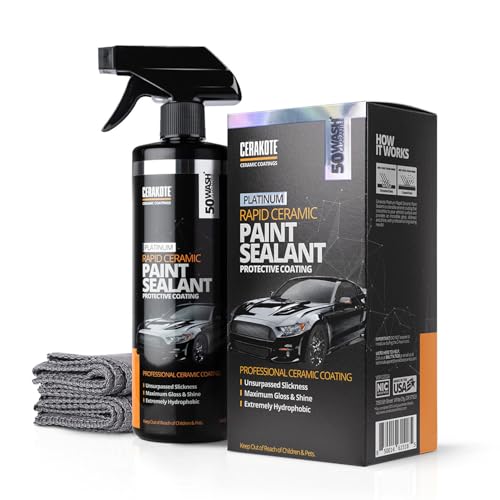
CERAKOTE® Rapid Ceramic Paint Sealant, Ceramic Coating for Cars, 14 oz | Hydrophobic Spray Wax Alternative, 50-Wash Gloss and Slickness, Safe on All Paint Colors and Clear Coat
The second is a graphene-based ceramic spray coating that emphasizes water repellency and gloss on general paint surfaces:

OmniTek Graphene Ceramic Coating – Ceramic Spray Coating for Cars – Hydrophobic Protection Repels Water – Enhances Gloss and Shine – Protects Paint from Contaminants and Water Spots (16oz)
Both alternatives are aimed more at general automotive paint than at film specifically, so buyers with PPF should confirm compatibility with their film brand before choosing either one. For readers weighing options across coating types, Graphene Ceramic Spray Coating (2026): Which Should You Choose? offers a useful side-by-side look at how these categories differ.
FAQ
Can I put ceramic coating on paint protection film?
Yes, many owners apply a topcoat to film, but the product should be formulated for film or vinyl. Check your film manufacturer’s guidance first, since some brands specify approved products and an incompatible coating can affect warranty coverage.
Does a ceramic topcoat affect the self-healing of PPF?
That depends on the formula. The GYEON PPF EVO is stated to preserve self-healing behavior, which is the reason it is marketed for film. Owners should still follow the bottle’s instructions closely, since prep and cure steps influence the final surface.
How long does a ceramic coating on film last?
Durability varies with climate, washing frequency, and application quality. Owners generally expect to refresh hydrophobic performance periodically rather than treat it as permanent, and they often watch for declining water beading as a sign it is time to reapply.
Is 50ml enough for a full car?
A 50ml bottle is usually better suited to a small vehicle or partial application. For a full mid-size or larger car, plan on more than one bottle and measure your coverage before buying.
Can I apply it myself?
Hand application is common, but success depends on clean surfaces, moderate temperatures, and careful buffing. Owners new to coatings often practice on a small panel first to learn how the product flashes and levels.
Should I use wax on top of it?
Many owners avoid layering wax over a ceramic topcoat because it can interfere with the coating’s hydrophobic behavior. Check the product’s maintenance guidance before adding any other product.
Is a film-specific coating better than a regular ceramic coating for PPF?
For film, a film-specific formula is generally the safer choice because it is designed around flexibility and self-healing. A general coating may be harder or less compatible, which is why compatibility should guide the decision.
Final Verdict
The GYEON PPF EVO High Gloss Ceramic Coating for Paint Protection Film is a reasonable choice for owners who want a gloss and hydrophobic topcoat built specifically for film and vinyl wrap. Its stated flexibility and self-healing compatibility address the main concern that makes film owners cautious about coatings. The trade-offs are the modest 50ml volume, the reliance on careful prep and application, and the fact that it is a topcoat rather than a replacement for the film itself. Buyers with compatible film who value a film-focused formula should find it a sound option, while those with bare paint or larger vehicles should compare alternatives first.
View on AmazonRelated reading
About Lauren Holland
Lauren Holland is part of our editorial team and reviews and edits our car wash & detailing tools guides, checking product details against manufacturer specifications and owner feedback.
About the author
Lauren Holland writes reviews and buying guides for Carwash Distributors.