Ceramic Coating a Car: 7 Best Options Compared for Every Need (2026)
Looking into ceramic coating a car yourself? Compare 7 popular DIY ceramic coating options by use case, pros, cons and buying factors to choose well.
 By Lauren Holland
Updated November 20, 2026
 By Lauren Holland
Updated November 2026
Ceramic coating a car at home is one of the most popular ways to add gloss, water beading and long-lasting protection to paint. This list compares seven widely sold DIY ceramic coating products by the criteria that matter most: coating type, stated durability, ease of application, finish and how well each suits a specific job. Nothing here is based on our own testing; it draws on product listings, brand specifications and common owner feedback patterns. For a deeper look, 6 Best Ceramic Coatings for Automobiles of 2026 covers this in detail.
Our top picks at a glance
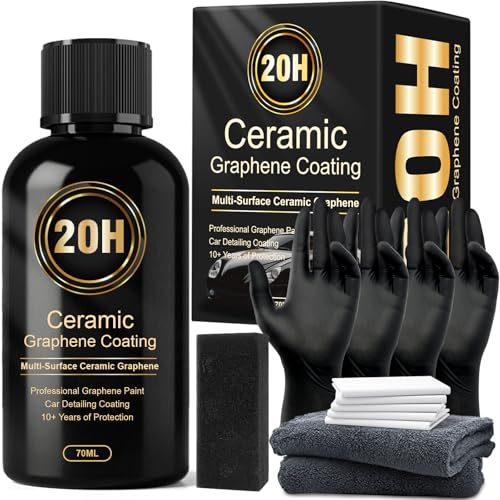
- 1TOP CHOICEBest overallCeramic Coating for Cars, 20H High-Grade Graphene Coating, 70mlView on Amazon
- 2
 TOP CHOICEBest for a high-gloss finishFAOGO 20H Professional Graphene Ceramic Coating for Cars (70ml)View on Amazon
- 3
 TOP CHOICEBest for a 9H-style hard coatNano Bond Ceramic Coating for Cars 9H PRO 30ML KitView on Amazon
- 4
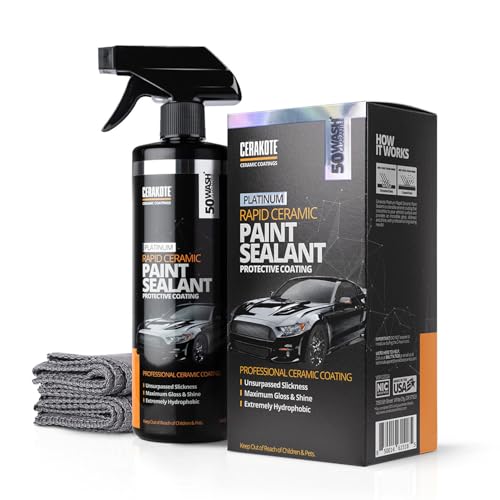 Best for a spray-on maintenance coatCERAKOTE Rapid Ceramic Paint Sealant, 14 ozView on Amazon
- 5
 Best for a budget pickAdvanced Graphene Ceramic Coating for Cars (70ML), 12HView on Amazon
- 6
 Best for long-term protection from a pro-style brandGtechniq Crystal Serum Light Ceramic Coating for Cars, 1 fl oz | Up toView on Amazon
- 7
 Best for easy reapplicationTurtle Wax Hybrid Solutions Ceramic Spray Wax Coating, 16 oz (Pack ofView on Amazon
Our Top Picks
Quick Comparison
| Product | Best for | Key feature |
|---|---|---|
| Ceramic Coating for Cars, 20H High-Grade Graphene Coating | Overall DIY use | Graphene formula, 70ml kit |
| Nano Bond Ceramic Coating for Cars 9H PRO | Hard, scratch-resistant protection | 9H rated, 80% SiO2 |
| CERAKOTE Rapid Ceramic Paint Sealant | Maintaining an existing coat | Spray-on, 50-wash claim |
| FAOGO 20H Professional Graphene Ceramic Coating | Deep, glossy finish | High gloss, hydrophobic |
| Advanced Graphene Ceramic Coating for Cars 12H | Budget-minded buyers | 12H graphene, 70ml |
| Gtechniq Crystal Serum Light | Long-lasting protection | Up to 5 years claimed |
| Turtle Wax Hybrid Solutions Ceramic Spray Wax | Quick, easy top-ups | Spray-on water beading |
Ceramic Coating for Cars, 20H High-Grade Graphene Coating, 70ml
Ceramic Coating for Cars, 20H High-Grade Graphene Coating, 70ml | Complete Detailing Kit, 10+ Years of Lasting Defense, Intense Glossy Look, Use After Washing & Polishing
Best for: Overall DIY use with a complete kit approach
This suits owners who want a full-kit, one-bottle solution for a single vehicle and who plan to follow the prep steps carefully before applying.
Pros
- Listing describes a graphene formula with 20H claimed durability
- Includes detailing kit items for prep and application
Cons
- Results depend heavily on paint correction done before application
Nano Bond Ceramic Coating for Cars 9H PRO 30ML Kit
Nano Bond Ceramic Coating for Cars – 9H PRO 80% SiO2 Formula – 30ML Kit | Long-Lasting Ceramic Coating – High Gloss Hydrophobic Shine – Scratch, UV & Chemical Resistant – Plastic, Glass, Wheel Care
Best for: Hard, scratch-resistant protection
Owners who want a firmer coat and are comfortable with a multi-step application will find this format appealing, especially for protecting wheels and trim as well as paint.
Pros
- Listing cites a 9H rating and an 80% SiO2 formula
- Marketed for plastic, glass and wheel use as well as paint
Cons
- A smaller 30ml volume may cover only part of a full vehicle
CERAKOTE Rapid Ceramic Paint Sealant, 14 oz
CERAKOTE® Rapid Ceramic Paint Sealant, Ceramic Coating for Cars, 14 oz | Hydrophobic Spray Wax Alternative, 50-Wash Gloss and Slickness, Safe on All Paint Colors and Clear Coat
Best for: Maintaining an existing coat
This spray-on product is aimed at owners who want quick topping-up between full coatings rather than a complete, one-time installation. For another angle, check out 5 Best Carpro CQuartz UK 3.0 Ceramic Coating Options Compared (2026).
Pros
- Spray-on application is simpler than a wipe-on kit
- Manufacturer lists safety on all paint colors and clear coat
Cons
- Sealant-style products generally offer less hardness than a true coating
FAOGO 20H Professional Graphene Ceramic Coating for Cars (70ml)
FAOGO 20H Professional Graphene Ceramic Coating for Cars (70ml) – 10+ Years Protection, Hydrophobic & Scratch Resistant, High Gloss Finish – Advanced Car Detailing Kit – Easy Application, Black
Best for: A deep, high-gloss finish
Owners of dark-colored vehicles who care most about gloss and reflection will likely find this graphene formula worth considering.
Pros
- Listing emphasizes a high-gloss, hydrophobic finish
- Describes easy application for beginners
Cons
- Dark paint shows any application haze more readily
Advanced Graphene Ceramic Coating for Cars (70ML), 12H
Advanced Graphene Ceramic Coating for Cars(70ML),12H Graphene Coating for Auto Car Detailing,10+ Years of Long Lasting Car Protection,Gloss Hydrophobicty Anti Scratch
Best for: Budget-minded buyers
This is a practical choice for owners coating a single vehicle who want graphene-based protection without a premium price tier.
Pros
- Listed with a 70ml volume, enough for a typical sedan
- Claims anti-scratch and gloss performance
Cons
- Shorter claimed durability (12H) than some competing listings
Buying Guide
Coating Type and Chemistry
Products labeled as graphene, SiO2 or hybrid ceramic differ mainly in their active ingredients and how they bond to paint. Full ceramic formulas generally aim for harder, more durable films, while spray-on hybrid products are easier to apply but usually offer shorter protection. Check the label to see which category a product falls into before comparing durability claims.
Stated Durability
Manufacturers quote durability in years or wash counts, and these figures assume ideal prep, application and maintenance. Treat long claims as best-case estimates rather than guarantees, and compare products on the same basis. Real-world life depends heavily on climate, parking habits and how the car is washed afterward.
Ease of Application
If you are new to detailing, look for kits that include clear instructions, applicators and a simple cure time. Spray-based sealants and wax-style hybrids are the most forgiving because they need less precise leveling. Liquid ceramic kits reward careful work, so budget extra time for prep and a clean, cool, shaded work area.
Finish and Surface Compatibility
Some coatings are marketed for a deep, glossy look, while others focus on a slick, hydrophobic feel. Confirm that the product is listed as safe for your paint type, including clear coat, and check whether it also covers glass, wheels and trim if you plan to use it across the whole vehicle. Matching the finish you want to the product’s stated strengths will help you avoid disappointment.
Prep Requirements and Included Supplies
A ceramic coating will only bond well to a fully decontaminated, polished surface, so factor in the cost and effort of clay bars, paint correction and an isopropyl alcohol wipe if you do not already own them. Kits that bundle towels, applicators and a prep spray can save a trip to the store. Whatever you choose, plan on several hours of prep for the best results.
FAQ
How long does a DIY ceramic coating last?
Durability varies widely between products, with some claiming several years and others offering only a few months of protection. Actual lifespan depends on prep quality, application, climate and how often the car is washed. Regular gentle washing with pH-neutral soap will help the coating last as long as possible.
Can I apply ceramic coating over existing wax?
No, wax and sealants must be fully removed before applying a ceramic coating, since they prevent proper bonding. Use a dedicated paint prep or isopropyl alcohol wipe-down to strip any residue. Skipping this step is one of the most common reasons coatings fail early.
Is a spray ceramic product as good as a liquid coating?
Spray products are generally easier to apply and offer quick gloss and water beading, but they typically provide less long-term protection than full liquid ceramic coatings. They are a good fit for maintaining an existing coating or for drivers who want a simple, low-effort finish. Choose based on how much protection and durability you need.
Do I need to polish my car before ceramic coating it?
Polishing is strongly recommended, because a ceramic coating locks in whatever condition the paint is in, including swirls and light scratches. A proper polish removes defects and creates a smooth, clean base for the best gloss and bonding. Skipping correction can leave imperfections visible under the new coating.
How soon can I wash the car after applying a coating?
Most products require a curing period before the first wash, often around twenty-four hours, though some specify longer. Keep the car dry and protected from rain during this time. Always follow the specific cure instructions on the product you choose.
Can ceramic coating be used on glass, wheels and trim?
Some products are formulated for use beyond paint and list glass, plastic trim or wheels as safe surfaces. Always read the label to confirm compatibility, because not every coating is approved for every material. Test on a small hidden area first if you are unsure.
Conclusion
If you want the longest-lasting protection and are willing to put in the prep work, a full liquid ceramic or graphene coating kit is the better choice. Drivers who want an easier, lower-commitment option for maintaining shine and water beading should look at the spray-on hybrid products instead.
Choose based on your experience level, how much time you can spend on prep, and whether you want maximum durability or simple upkeep. Matching the product to your specific job will give you the most satisfying result.
Related reading
- What Is Ceramic Car Coating? Benefits, Limits and Upkeep
- Waxing vs Ceramic Coating (2026): Which Is Better for Your Car?
- Wax or Ceramic Coating (2026): Which Is Better for Your Car?
- Pros and Cons of Ceramic Coating on Cars (2026): Is It Worth It?
About Lauren Holland
Lauren Holland is part of our editorial team and reviews and edits our car wash & detailing tools guides, checking product details against manufacturer specifications and owner feedback.
About the author
Lauren Holland writes reviews and buying guides for Carwash Distributors.